
Tagged security

Ukraine Analytica 2(40)
0

UKRAINE AND A NEW EUROPEAN SECURITY ARCHITECTURE: A REVISIT OF THE REGIONAL SECURITY COMPLEX THEORY

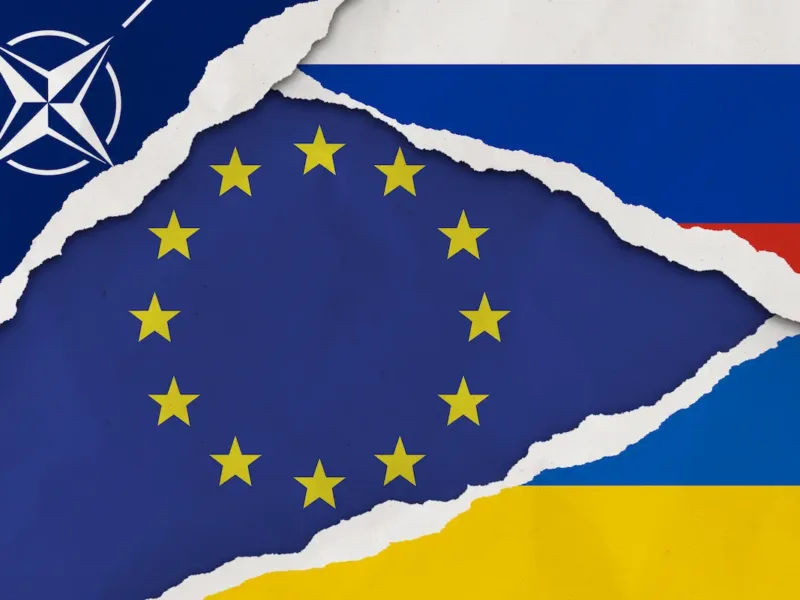
This article applies Buzan and Wæver’s Regional Security Complex (RSC) Theory to the post-2022 transformation of European security. It argues that Russia’s aggression and full-scale invasion sought to eliminate Ukraine’s role as an “insulator state”, fusing the formerly distinct EU-centred and post-Soviet RSCs into a single interdependent super-complex. Its future remains an open securitisation contest:…

Ukraine Analytica 2(40)
0

AMERICAN DECOUPLING FROM EUROPE

The structural transformation of the transatlantic alliance is fundamentally driven by the United States’ shift from an unconditional security guarantor to a transactional “quasi-leader” that prioritises the Indo-Pacific over Europe. Fostered by President Trump’s own agenda and his “America First” doctrine, Washington’s strategic recalibration effectively forces European nations to rapidly internalise the financial and conventional…

Ukraine Analytica 2(40)
0

THE UKRAINE EFFECT: SECURITY GUARANTEES AND THE RISE OF MINILATERALISM IN EUROPE’S NEW SECURITY ARCHITECTURE

Russia’s full-scale invasion of Ukraine has turned out to be a defining moment for European security, exposing both the strengths and limitations of existing security arrangements. Beyond its immediate military and geopolitical consequences, the war has reignited debates over the credibility of security guarantees and has accelerated the search for alternative forms of security cooperation….

Ukraine Analytica 2(40)
0

BELARUS’S SUCCESSION PROBLEM AS THE MISSING LINK IN EUROPE’S POST-WAR SECURITY ARCHITECTURE

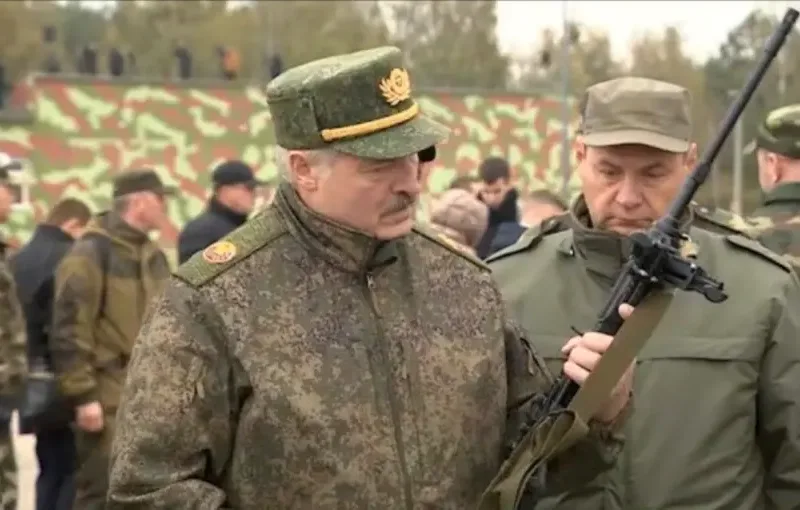
This article examines Belarus’s place in Europe’s post-war security architecture, tracing Minsk’s geopolitical manoeuvring since Russia’s full-scale invasion of Ukraine. Although Lukashenka has been able to keep the regime afloat, it remains vulnerable, because the system is built around one person and lacks a functioning succession mechanism, which Russia could exploit in the coming transition…

Ukraine Analytica 3(35)
0

NODAL DEFENCE AND UKRAINE’S NATO ASPIRATIONS

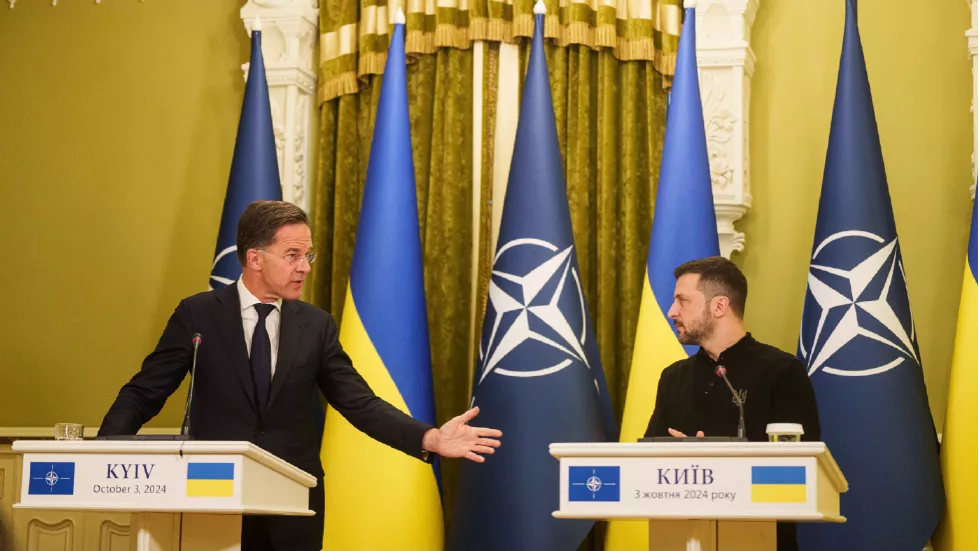
This article describes how Ukraine is applying for NATO membership at a time when the European security architecture is becoming more fragmented. Specifically, as much as NATO continues to provide a coherent, multilateral framework that organises European security relations, various bilateral and ‘minilateral’ security formats have proliferated across the continent, while different members of this…

Ukraine Analytica 31,2023
0

THE VILNIUS SUMMIT: A PLATFORM FOR FEMALE LEADERSHIP AND FLEXIBILITY IN EUROPE’S SECURITY INFRASTRUCTURE

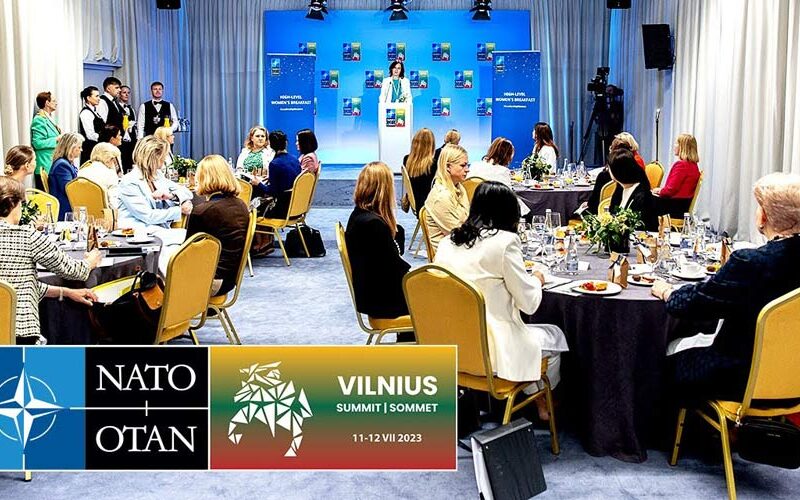
This paper examines the strategic evolution of Europe’s security framework in the context of the Russo-Ukrainian War and the concluded Vilnius Summit — a critical juncture, with the possibility of selecting a new Secretary General. Among the nominees was Kaja Kallas, Estonia’s Prime Minister, whose innovative vision advocated a departure from traditional models. Kallas promoted…

Ukraine Analytica 30, 2023
0

NATO RESPONSES TO DISINFORMATION

Because of the changes in the security landscape, proactive communication with members is more critical than ever before for organisations like NATO. Russia’s systematic use of deception, propaganda and false news is a significant component of the hybrid warfare it has waged against its neighbours, including Ukraine, Georgia, Moldova, and the three NATO allies in…

Ukraine Analytica
38

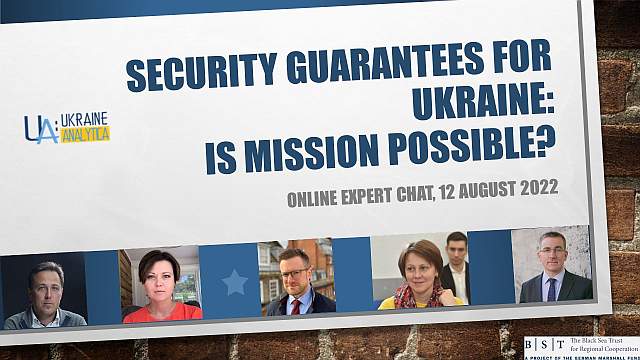
Security Guarantees for Ukraine: Is Mission Possible?

Online Expert Chat, 12 August 2022 Why Europe should also be interested in security guarantees for Ukraine? Why should any state take risks of providing security guarantees for Ukraine? What’s the best format for securing Ukraine? Can Russia be a credible security guarantor for Ukraine? Participants Dr Yevgeniya Gaber, Non-Resident Senior Fellow, Atlantic Council in…

Ukraine Analityca 3(25) 2021
0

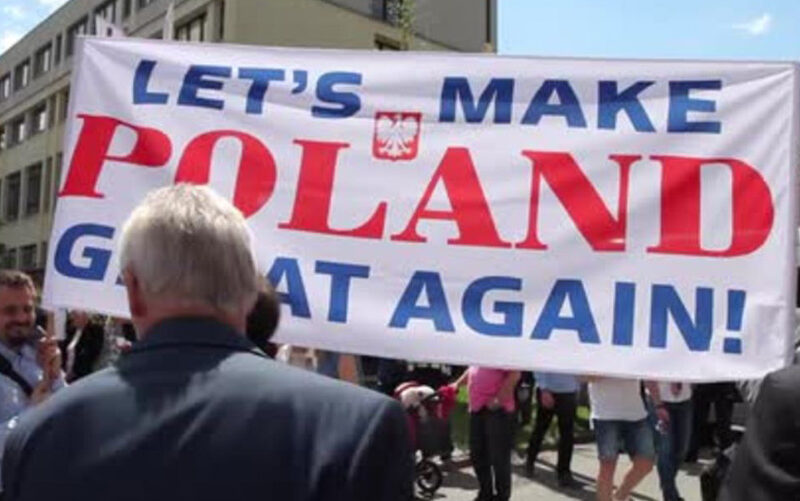
THE EFFECTS OF MYTHMAKING ON RESILIENCE AND FOREIGN, SECURITY POLICY IN POLAND

Does identity politics together with the associated system of symbols in the form of political myths allow true resilience, threat assessment and adequate response to the events occurring in international affairs? This narrative analysis would aim at investigating how discourses and narratives loaded with emotional messages set paradigms and frameworks, which can hinder the perception…

  1. Images are for demo purposes only and are properties of their respective owners. Published by NGO “Promotion of Intercultural Cooperation” (Ukraine), Centre of International Studies (Ukraine),  with the financial support of the Representation of the Friedrich-Ebert-Stiftung in Ukraine, International Renaissance Foundation and RAND Corporation, and the U.S. Department of State

Copyright © 2015-2025 UA: Ukraine Analytica  WEB Design DS STUDIO

online casino malaysia online casino singapore