

Our current issue
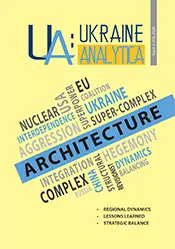
UA: Ukraine Analytica
Issue 2 (40), 2026
Architecture
- REGIONAL DYNAMICS
- LESSONS LEARNED
- STRATEGIC BALANCE
Download Full Issue: 
In pdf formatUA: Ukraine Analytica is the first Ukrainian academic and analytical journal in English language on International Relations, Politics and Economics. The journal is aimed for experts, diplomats, academics, students interested in the international relations and foreign policy. And our journal is published by the NGO “Promotion of Intercultural Cooperation” (Ukraine), Centre of International Studies (Ukraine), with the financial support of the Representation of the Friedrich Ebert Foundation in Ukraine.
0
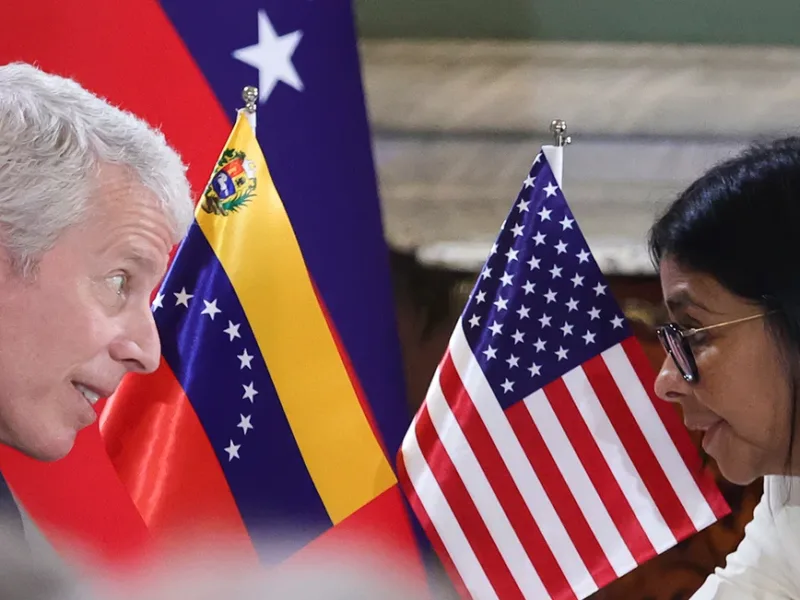
“THE DONROE DOCTRINE”: TRANSFORMATION OF THE US SECURITY POLICY TOWARDS LATIN AMERICA DURING DONALD TRUMP’S SECOND TERM
This article examines the transformation of the US security policy towards Latin America and the Caribbean during Donald Trump’s second presidency, through the concept of the “Donroe Doctrine.” It argues that the administration has combined the traditional logic of the Monroe Doctrine with the principles of America First, strategic competition, and the securitisation of transnational...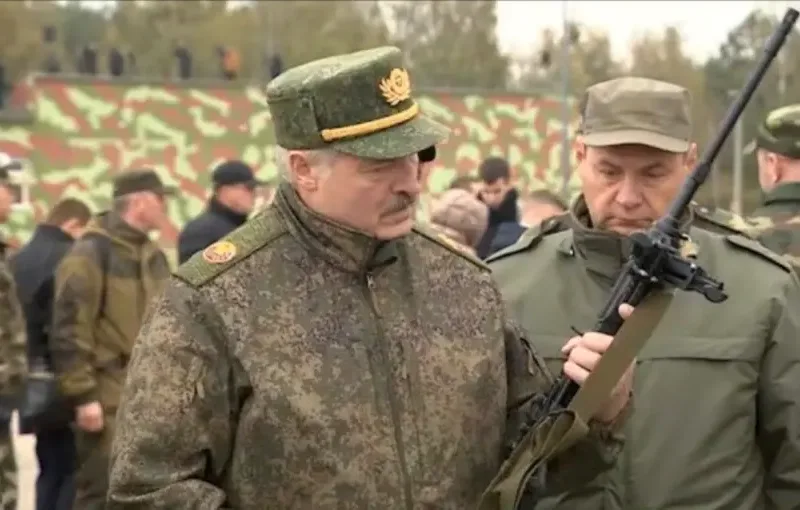
0
BELARUS’S SUCCESSION PROBLEM AS THE MISSING LINK IN EUROPE’S POST-WAR SECURITY ARCHITECTURE
This article examines Belarus’s place in Europe’s post-war security architecture, tracing Minsk’s geopolitical manoeuvring since Russia’s full-scale invasion of Ukraine. Although Lukashenka has been able to keep the regime afloat, it remains vulnerable, because the system is built around one person and lacks a functioning succession mechanism, which Russia could exploit in the coming transition...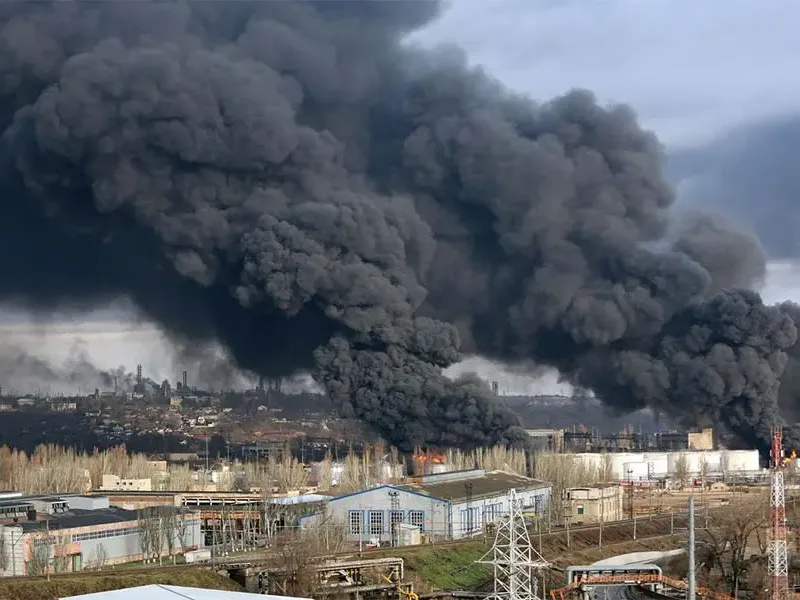
0
MUNICIPAL READINESS FOR
EU CLIMATE ACTION IN WARTIME
UKRAINE
Ukraine’s recovery and EU integration are unfolding amid conditions of war, placing Ukrainian municipalities at the centre of implementing climate and reconstruction policies. This article examines municipal readiness for EU-funded climate initiatives, drawing on evidence from the Horizon Europe–funded project Ukraine towards Carbon Neutrality. The analysis highlights how cities continue to advance climate strategies, develop...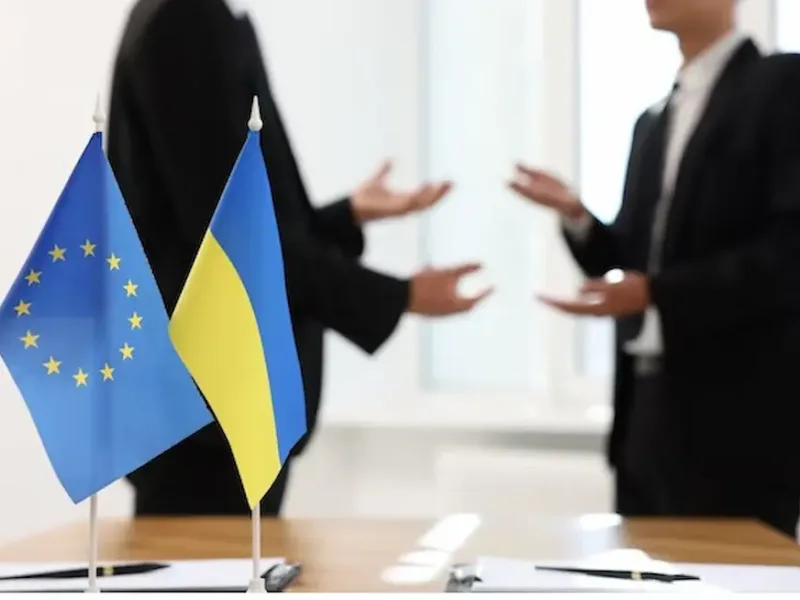
0