

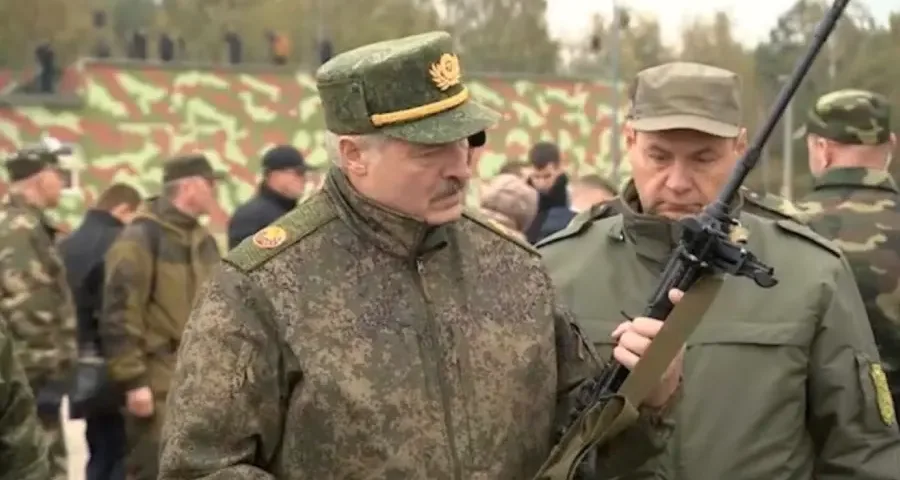
This article examines Belarus’s place in Europe’s post-war security architecture, tracing Minsk’s geopolitical manoeuvring since Russia’s full-scale invasion of Ukraine. Although Lukashenka has been able to keep the regime afloat, it remains vulnerable, because the system is built around one person and lacks a functioning succession mechanism, which Russia could exploit in the coming transition period. Since regional stability is not possible without a stable and predictable Belarus, the article offers recommendations for how Ukraine and the EU can minimise this risk.

With a negotiating track already forming between Washington and Minsk, the EU risks ending up as a bystander rather than an active player in this process.