
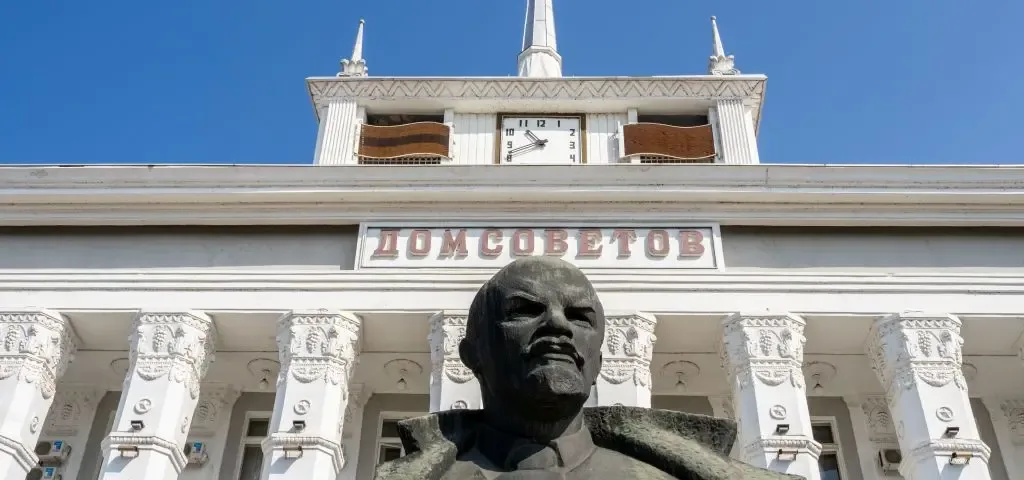
As one of the largest EU member-states, Germany has played a pivotal, though often disputed, role in shaping the diplomatic prospects of the post-Soviet frozen conflicts landscape. This article analyses the evolution of German policy towards the Transnistrian conflict, including the broader negotiation framework of ‘5+2’. Special attention is also given to the Meseberg Process (2010), Berlin Protocol (2016), and ‘Berlin Plus’ package for identifying key lessons learned from Berlin’s mediation efforts, with its possible scaling up to the context of the Russian- Ukrainian war.

«Russian political leverage is best illustrated by the ill-fated Kozak Memorandum, which was intended to be imposed in 2003