

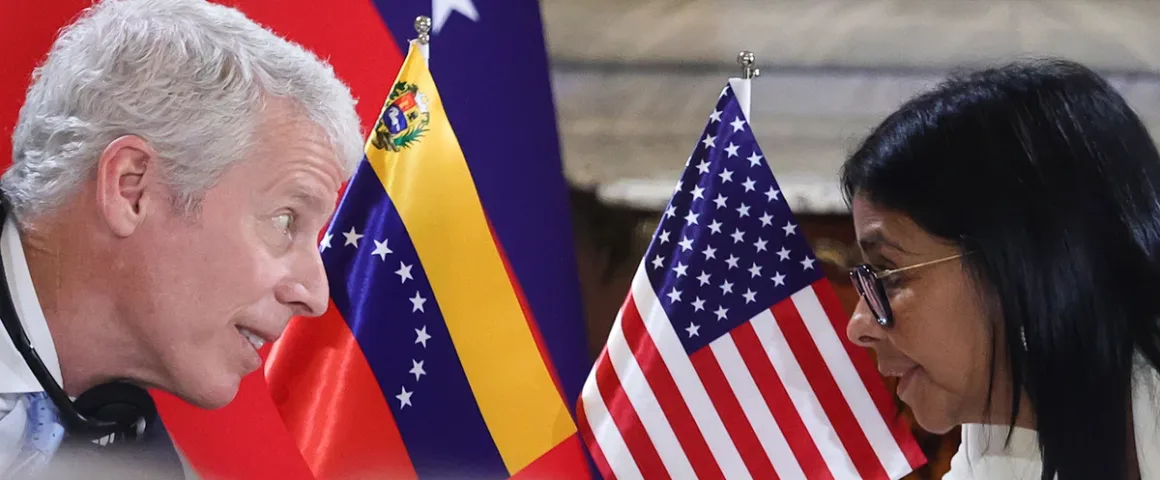
This article examines the transformation of the US security policy towards Latin America and the Caribbean during Donald Trump’s second presidency, through the concept of the “Donroe Doctrine.” It argues that the administration has combined the traditional logic of the Monroe Doctrine with the principles of America First, strategic competition, and the securitisation of transnational threats. The article analyses the use of economic coercion, military and intelligence instruments, and selective security partnerships. It concludes that this approach reflects a broader return of the Western Hemisphere to US strategic priorities and regional security.

It is precisely the combination of the traditional logic of preventing the dominance of external powers with new transnational threats and strategic competition that provides the conceptual foundation for the contemporary reinterpretation of the Monroe Doctrine in the form of the so-called “Donroe Doctrine.”