
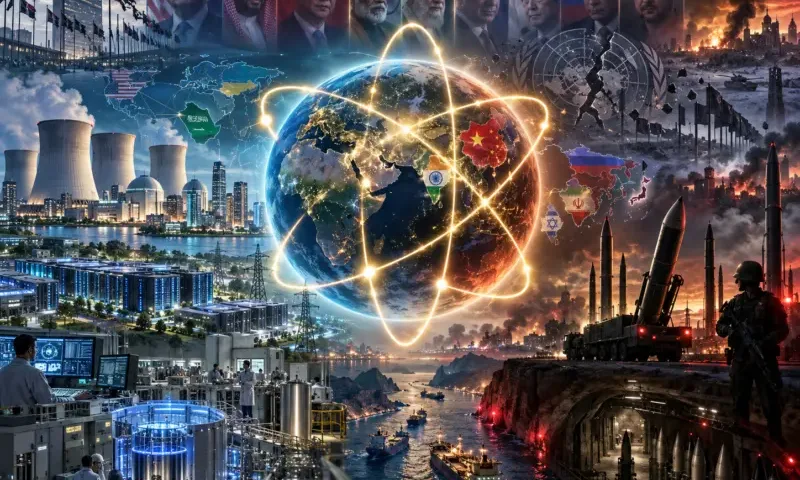
The article examines the transformation of strategic stability in an increasingly multipolar nuclear order. It analyses how the transition from bipolarity has altered traditional concepts of deterrence and strategic stability, and assesses the limitations of Cold War-era theoretical frameworks in explaining contemporary nuclear competition. Particular attention is devoted to the roles of Russia, China, and North Korea in reshaping the global nuclear landscape, as well as the strategic risks arising from growing complexity, technological change, and the erosion of arms control institutions. The article also explores potential mechanisms for preserving strategic stability through nuclear risk reduction, crisis management, strategic dialogue, and more flexible approaches to nuclear governance.

Among the developments driving this transformation are China’s rapid nuclear expansion, Russia’s increasing reliance on nuclear coercion as an instrument of statecraft, and North Korea’s continued advancement of its nuclear and missile capabilities.