

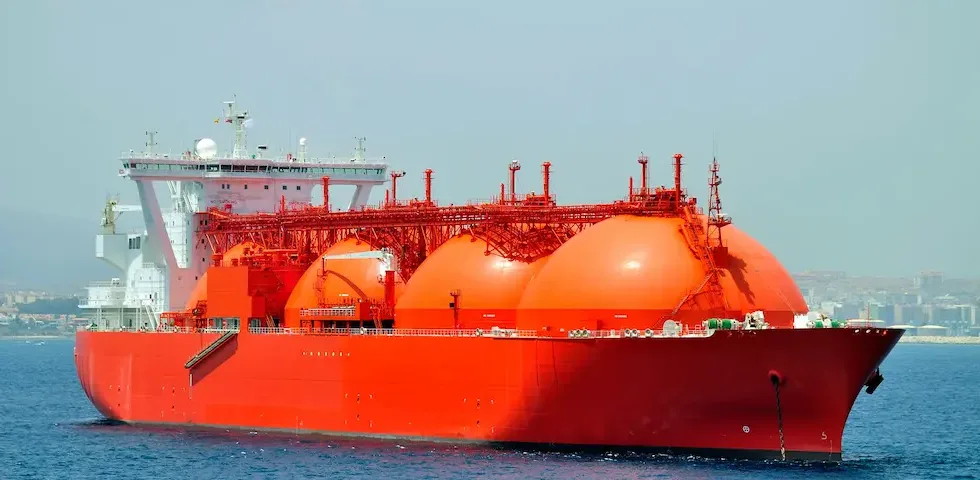
The Russian-Ukrainian war disrupted Germany’s energy landscape, impacting its Energiewende climate policy. Reduced Russian gas supplies prompted shortterm reliance on coal and accelerated development of LNG infrastructure, which led to increasing emissions and challenging the 2022-2023 climate targets. Concurrently, the crisis catalysed a renewable energy surge, with increased investments in green hydrogen, grid infrastructure, and expedited wind and solar expansion, alongside a reaffirmed coal phase-out by 2030. Using a mixedmethods approach, combining emissions data and policy analysis grounded in Energy Security and Energy Transition theories, this study evaluates trade-offs between geopolitical pressures and sustainability. It concludes that war-driven fossil fuel reliance ultimately accelerated Germany’s renewable shift, aligning energy security with long-term climate goals.

«While short-term measures leaned on fossil fuels, the war catalysed significant advancements in Germany’s long-term climate strategy, supporting Energiewende’s renewable energy focus