

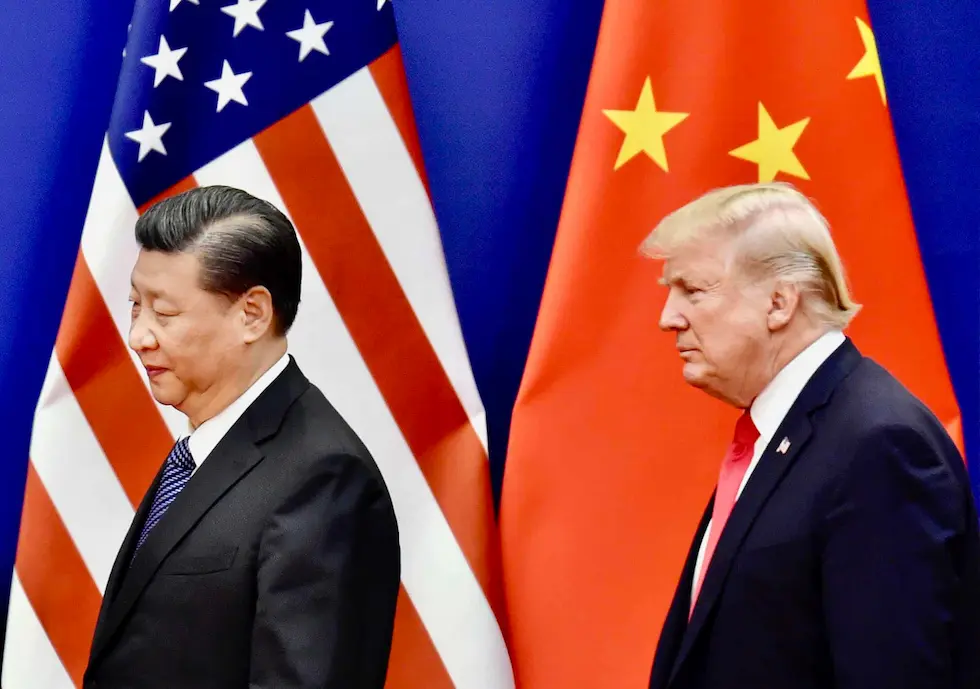
As the United States navigates an era of renewed great power competition, its deterrence strategy faces unprecedented challenges. Unlike the Cold War’s bipolar structure, today’s security environment is fragmented, with China as the primary competitor, and with additional threats from Russia and other regional actors. This article examines the evolving dynamics of U.S. deterrence policy, analysing the roles of denial and punishment in countering adversaries’ actions. It highlights the need for military modernisation, economic resilience, and strengthened alliances, while addressing the topic of emerging threats such as cyber warfare and grey-zone tactics.

Rather than engaging in a direct military confrontation, China, Russia, and other actors, employ cyber warfare, economic coercion, proxy conflicts, and disinformation campaigns, to undermine US interestss